


Skip to content
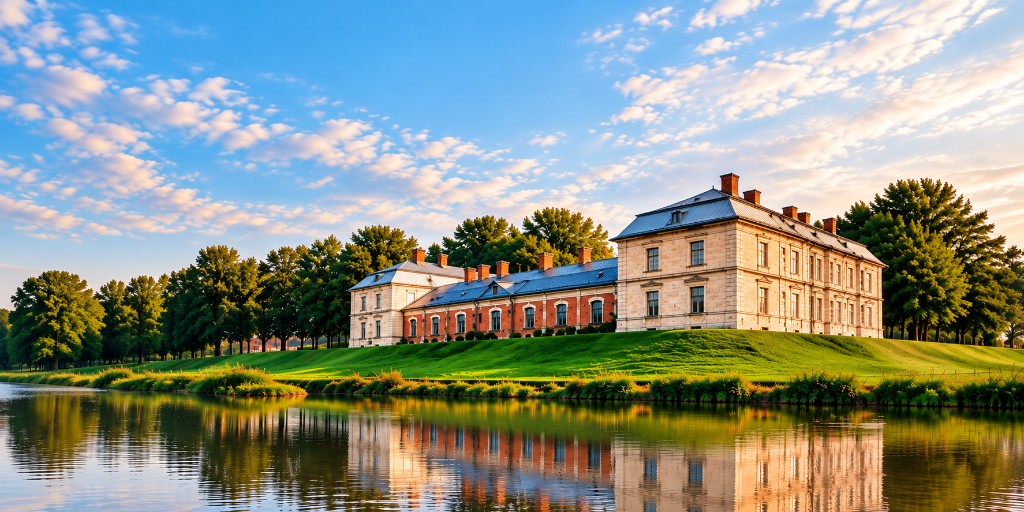
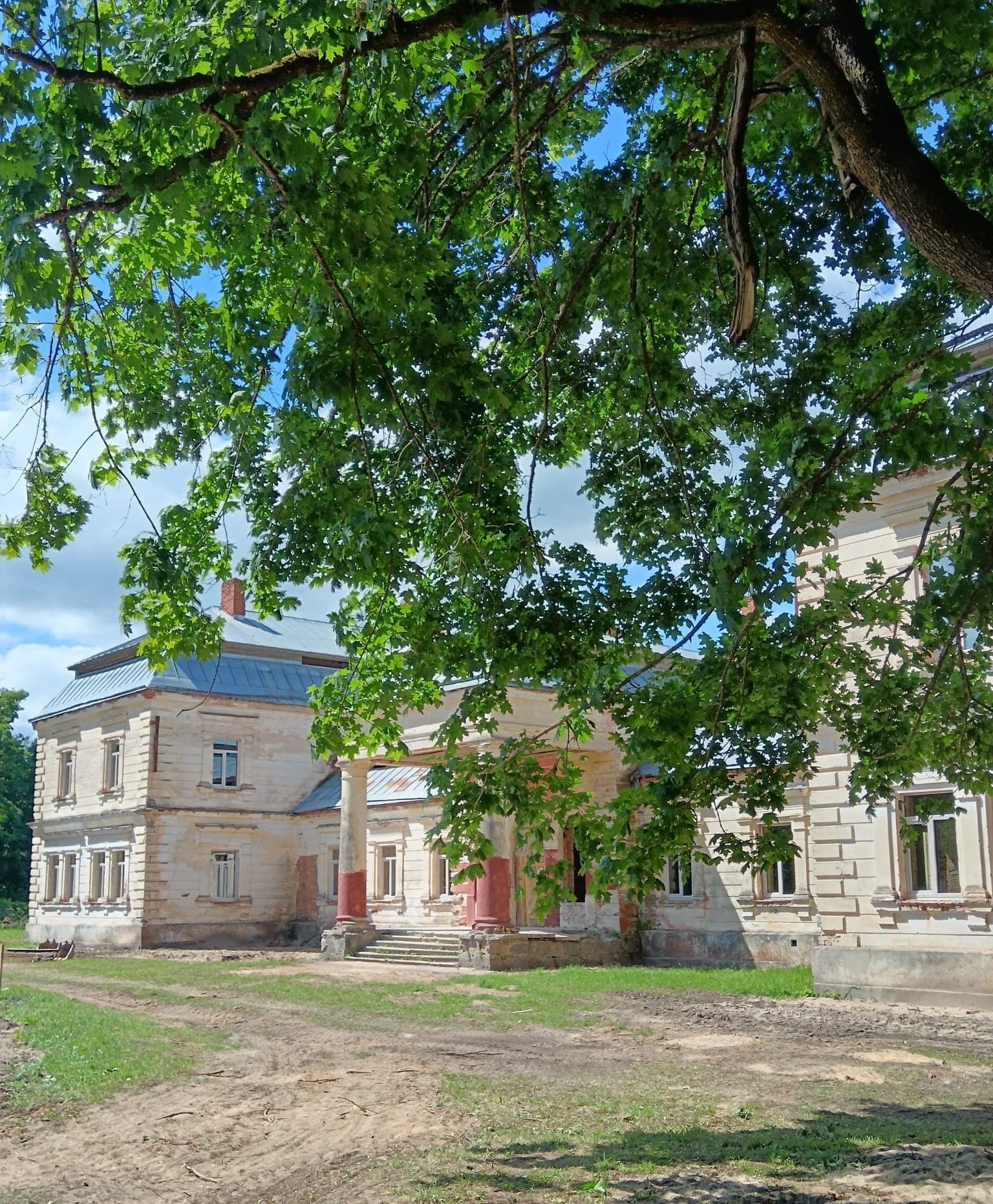
The palace and park ensemble among the autumn park and the lake

Excursions

in Braslav and the Braslav District

“There are places where history is felt with the heart.”

Nature. History. People. Inspiration. Braslav — closer than you think.

The Plater Palace in the park
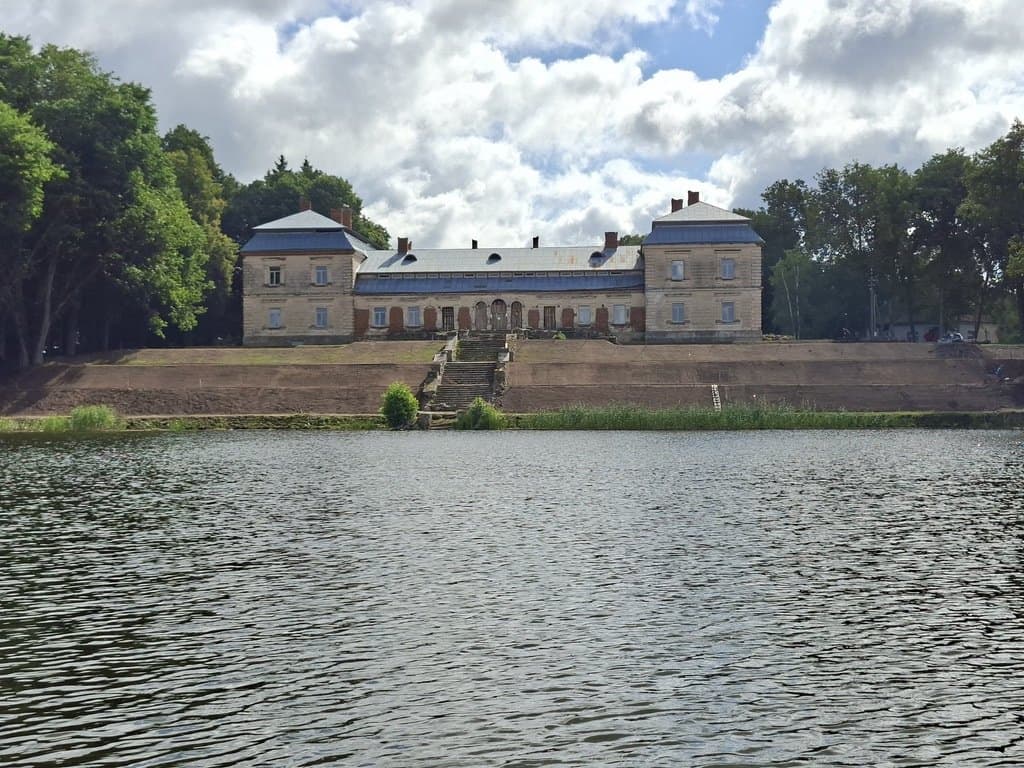
Plater Palace from Lake Opsa

Route No. 1

Count Plater’s Palace and Park Ensemble in Opsa

Opsa was first mentioned in historical records in 1500. The dominant landmark of the settlement is the Plater Palace, built in 1904. Austere yet elegant, this imposing stone residence preserves the memory of many generations.

We will walk along the shady avenues of the historic park, where every turn reveals a new view. We will descend to Lake Opsa along the cascading staircase dating from the early 20th century, its time-worn steps leading towards the calm surface of the lake. We will also visit the site of the ancient patriarch oak.

Another highlight is the remarkable arched bridge from the same period — light and graceful, seemingly floating above the water.

Your guide will tell you about the complex history of the palace, which survived wars and changing eras, as well as about the most famous member of the Plater family — Emilia Plater, often referred to as the Belarusian Joan of Arc. Her name has become surrounded by legend, while her courage remains a symbol of unwavering determination.

This walk is more than a sightseeing tour. It is an immersion into living history, where stone, water and trees continue to tell their story.
Book a Tour
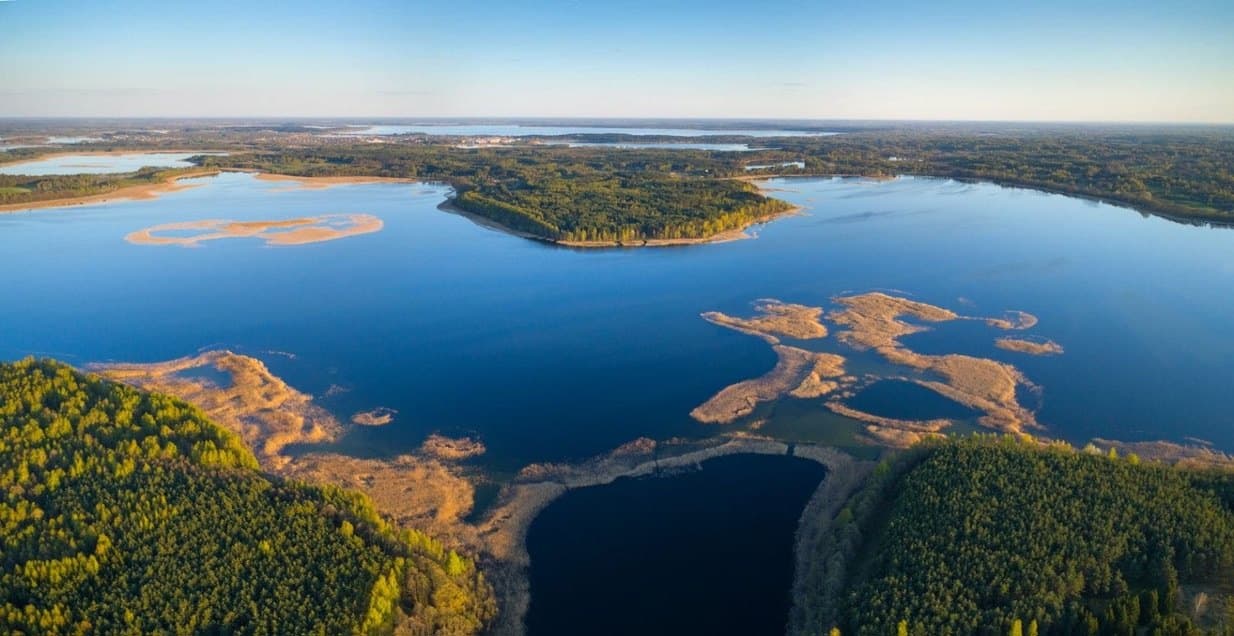
The lakes of the Braslav region
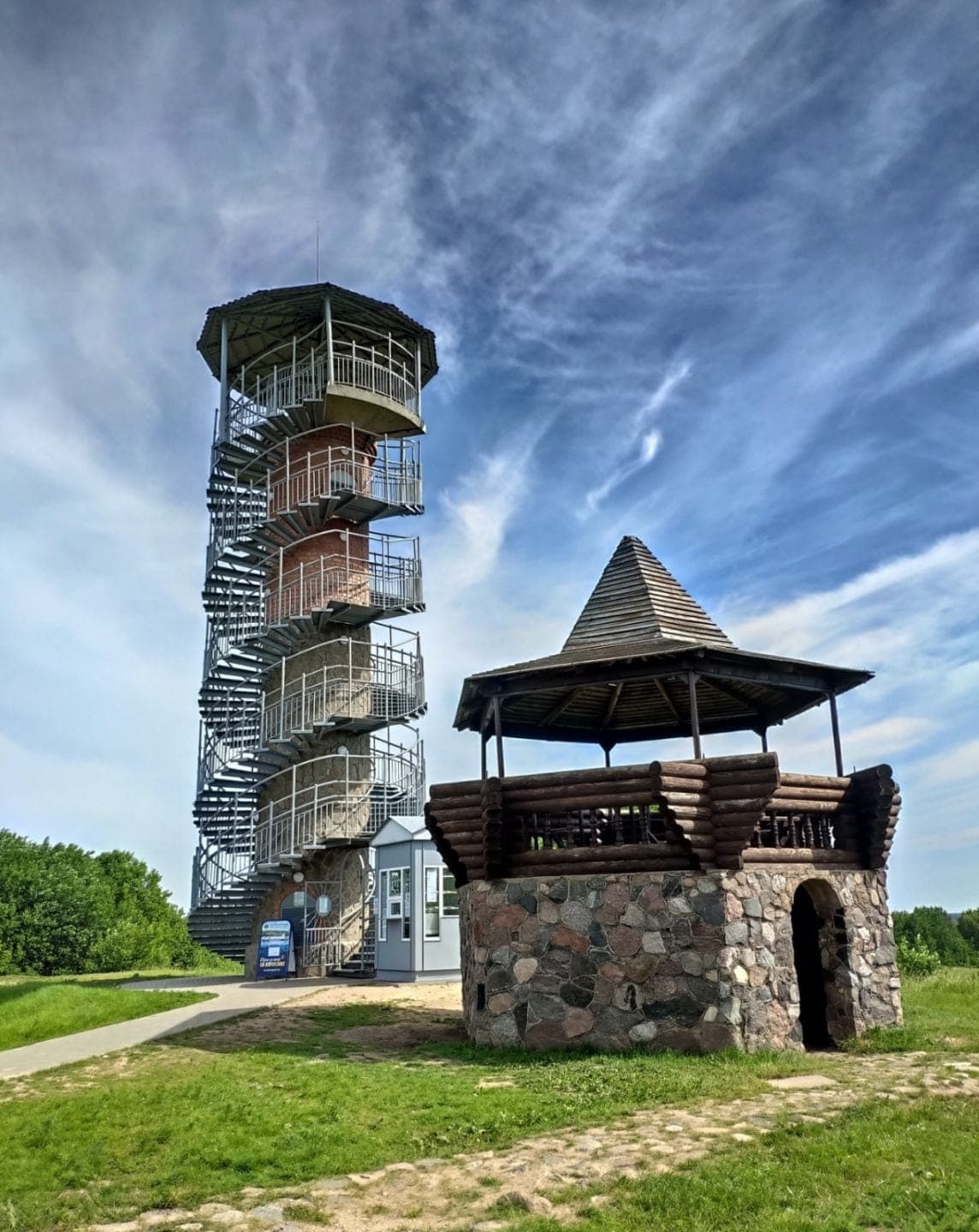
Viewpoint tower on Mayak Hill

Route No. 2

The Blue-Eyed Braslav Region

We begin at the foot of Braslav’s historic heart — the ancient hillfort known as Castle Hill. As you make your way to the top, you will experience the remarkable atmosphere and character of this historic place.

We will stop by the granite stone erected to commemorate the 945th anniversary of the first written mention of Braslav and visit the grave of Stanisław Narbut, a doctor and prominent public figure. The legend of Braslav will reveal the story behind the city’s name.

We will admire the vast waters of Lake Dryviaty, the largest lake in the area, before descending to the Church of the Nativity of the Blessed Virgin Mary. The distinctive “Braslav raisin mosaic” may even inspire your own creativity. The miraculous icon of Our Lady of Braslav, Queen of the Lakes, which has been kept in the church altar since 1832, adds a special spiritual dimension to the visit.

During the sightseeing tour, you will learn about the residential colony designed by Juliusz Kłos, professor at Stefan Batory University in Vilnius, about life in the town during the Second World War, and about modern-day Braslav.

We then continue to one of the highest panoramic viewpoints in the Braslav region — Mount Mayak. During the approximately 18-kilometre journey, you will learn why preserving the region’s natural heritage is so important, how local tourist campsites are organised, and how many ecological trails can be explored in the area.

Along the way, we will see Lakes Yelno, Strusto and Snudy. From Mount Mayak, which rises 174 metres above sea level, we will try to spot Castle Hill in the distance. And, of course, we will hear the story of Chaichyn Island, the second-largest island in Belarus.

Book a Tour
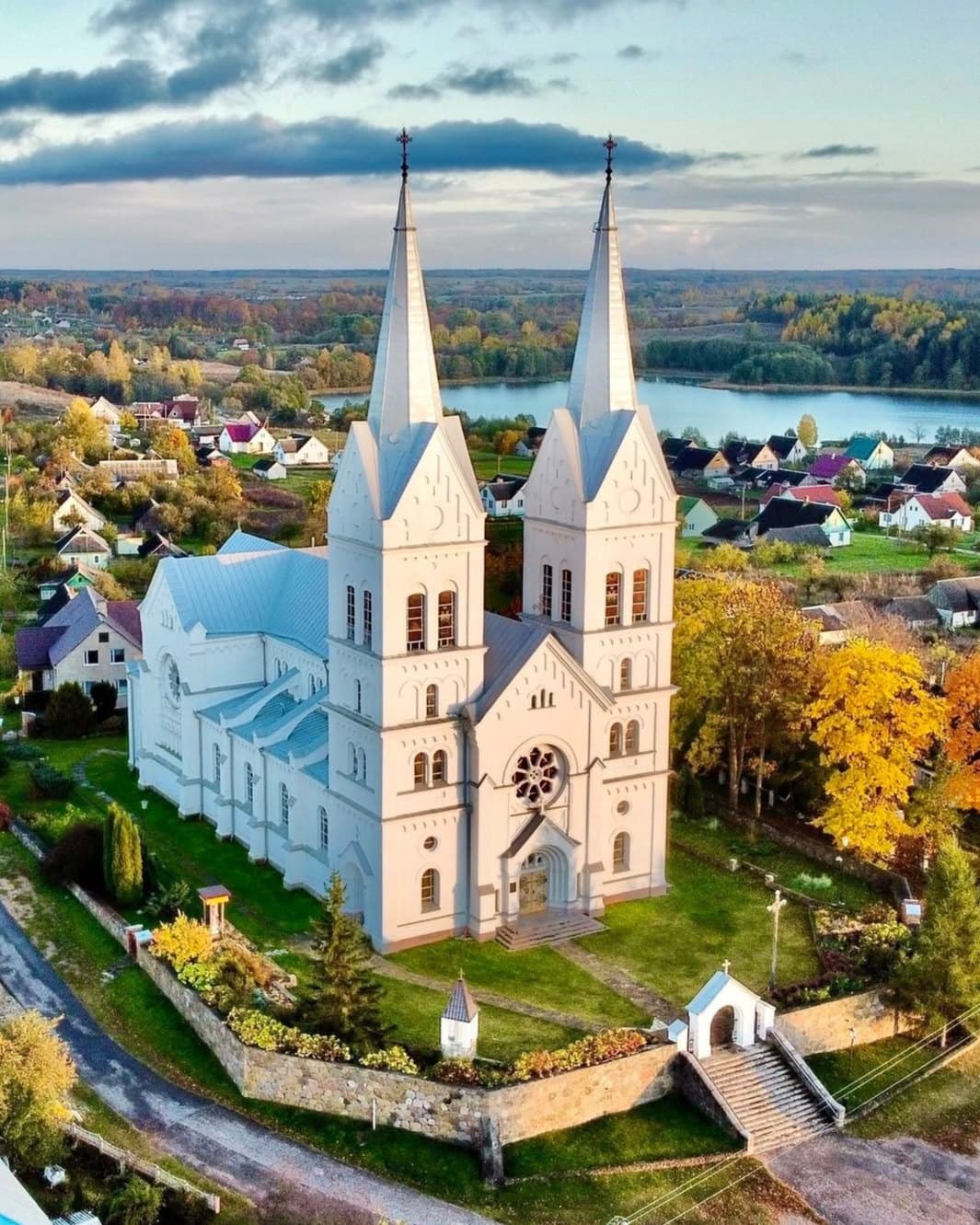
The church in Slobodka

Route No. 3

Slobodka — An Intricate Tapestry of Nature and History

This excursion takes us to the village of Slobodka, one of the most picturesque places in the Braslav District. We will discover its history and see one of the region’s mysterious lakes, known as “God’s Eye”.

The main landmark of Slobodka is the Church of Divine Providence. Its hand-painted interiors, altar and remarkable history leave a lasting impression and reveal the unique spiritual and artistic heritage of the area.

Book a Tour
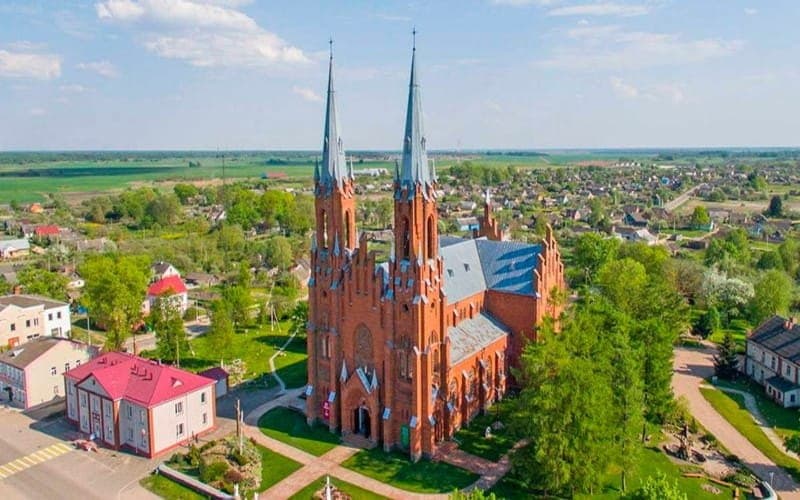
The church in Vidzy

Route No. 4

Amazing Vidzy

The town of Vidzy is home to the second-tallest Catholic church in Belarus. From its foundations to the tips of its spires, the church reaches a height of 59 metres.

Before the Second World War, Vidzy was the centre of a separate administrative district. The town is also the burial place of Tomasz Wawrzecki, a participant in the Kościuszko Uprising.

Vidzy is particularly remarkable for its multicultural heritage. Tatars, Jews, Roma, Lithuanians, Poles, Belarusians and Russians have all lived here side by side, contributing to the distinctive character of the town.

This rich cultural diversity makes the history of Vidzy especially fascinating and multifaceted.

Book a Tour

Braslav • History inspires • Travel brings us together

Book a Tour