

Skip to content
Count Plater Palace and Park Ensemble

History

The past is our inspiration

“There are places where history is felt with the heart.”

Historical chronicle

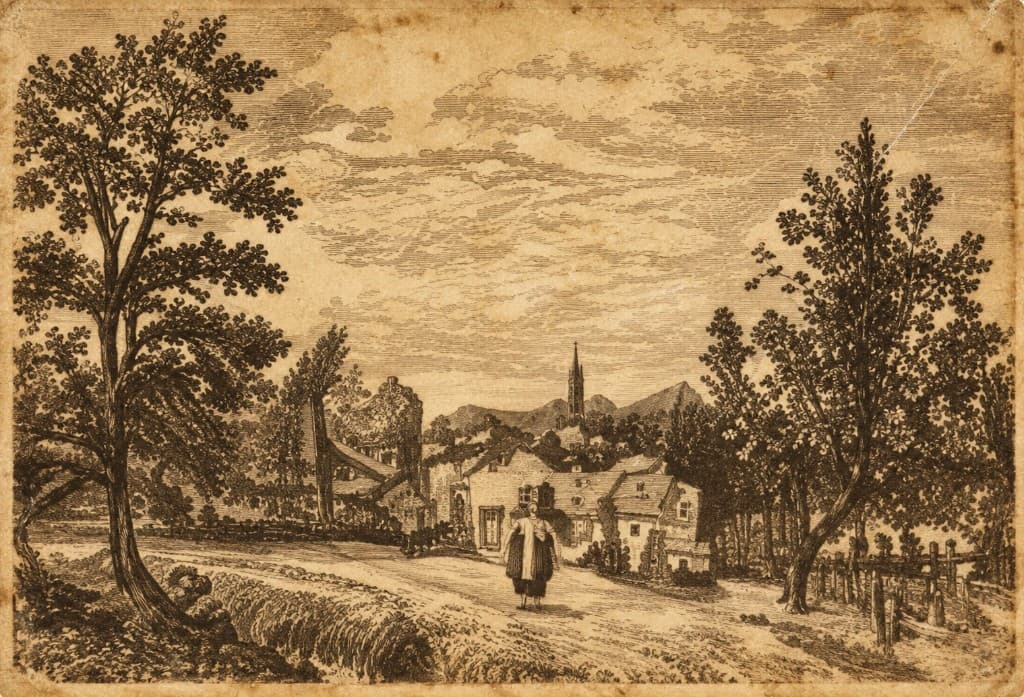
Исторический вид Опсы
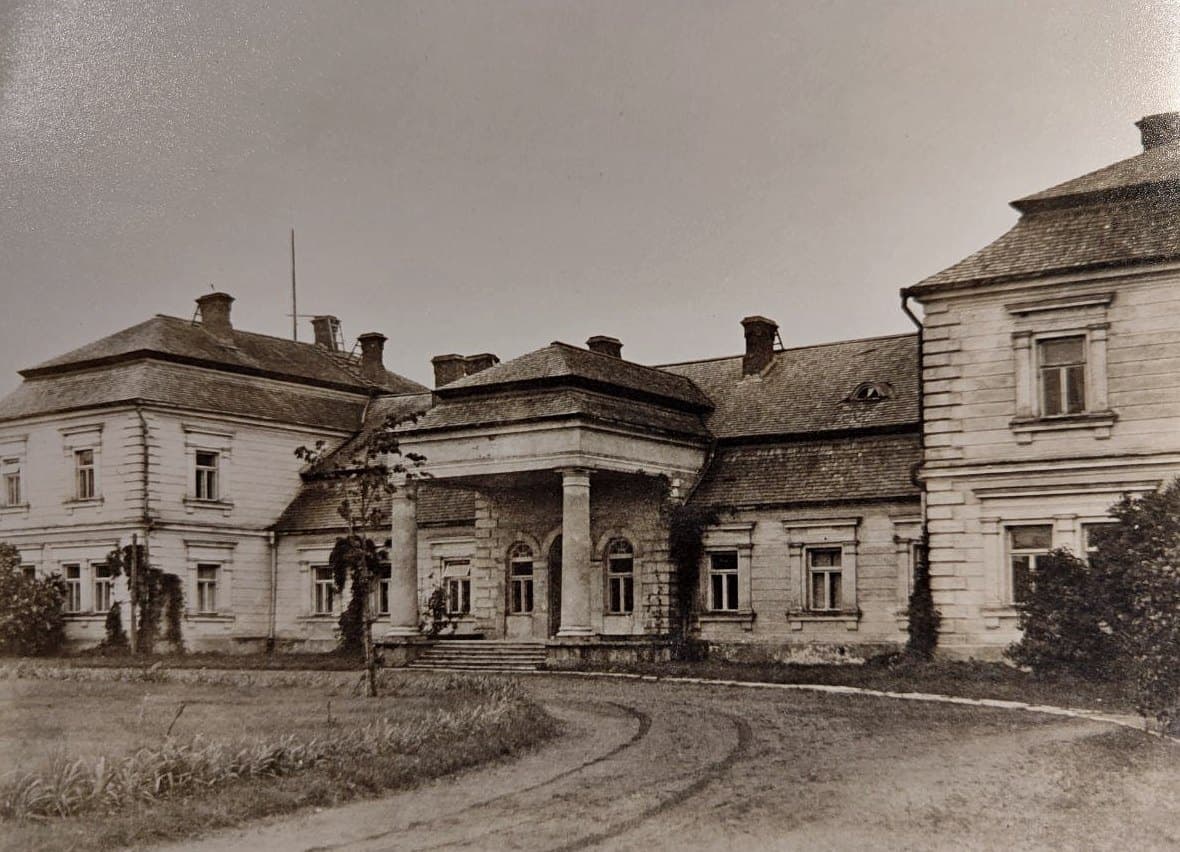
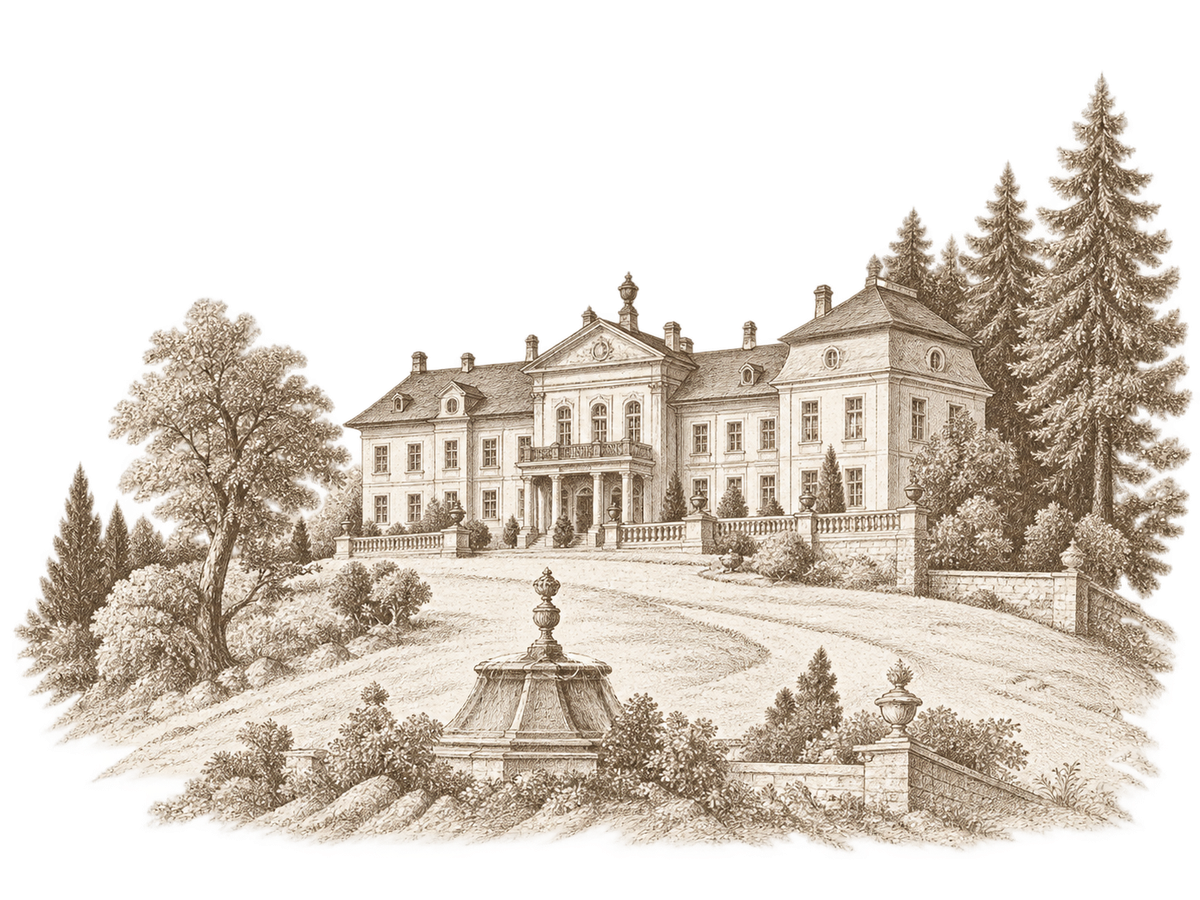
Historic view of the Plater Palace

16th Century

First Mentions

Opsa has existed for more than five centuries. According to one version, its name comes from a Baltic language and means “shallow.” However, there is another, far more picturesque explanation preserved in a local legend.

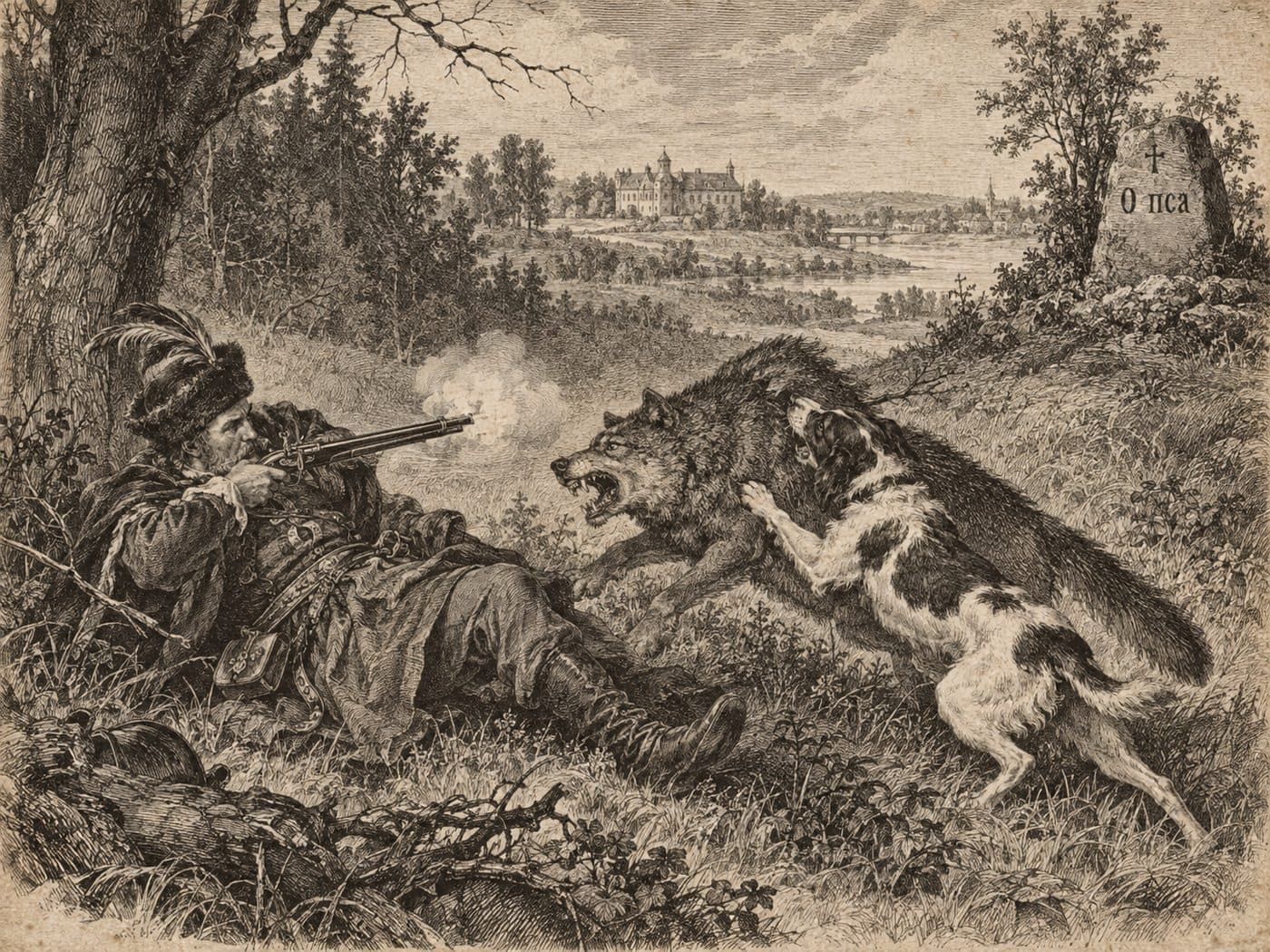
The Legend of the Name Opsa

Long ago, these lands belonged to a passionate hunter named Milanovich. One day, while hunting, he was attacked by a wolf. His faithful dog saved his life by throwing itself at the predator. Milanovich managed to fire his gun, but during the struggle the dog was mortally wounded and died.

In gratitude for having been saved, Milanovich buried his loyal companion on a hill near the estate and placed a stone there with the inscription “O psa.” According to the legend, this is how the place eventually came to be called Opsa.*

The first written mention of Opsa dates to August 7, 1500. At that time, Grand Duke of Lithuania Alexander Jagiellon granted the settlement to Prince Glazyna of Smolensk.

Today, Opsa is an agrotown in the Braslav District of the Vitebsk Region of Belarus and serves as the administrative center of the Opsa Village Council.

According to the legend, this is how the place eventually came to be called Opsa.

Memory. Historical and Documentary Chronicle of the Braslav District. Minsk, Paligrafoformlenie, 1998.
19th century

The Plater Family

In 1829, the Counts Plater became the owners of Opsa. The Platers were an old noble family whose history dates back to the 12th century in Westphalia, now part of Germany. Members of this distinguished family took part in the Crusades and held high-ranking positions in the Livonian and Teutonic Orders.

Chronicles from 1210 already mention the knight Humbert von Plater of Westphalia. The Platers were one of the most powerful families in the Grand Duchy of Lithuania. Among them were patrons of the arts, voivodes, diplomats, and scholars.

In the 16th century, the family divided into German and Baltic branches, although the former eventually died out. The Platers were renowned as major landowners, possessing vast estates in Latgale, Lithuania, and Belarus.

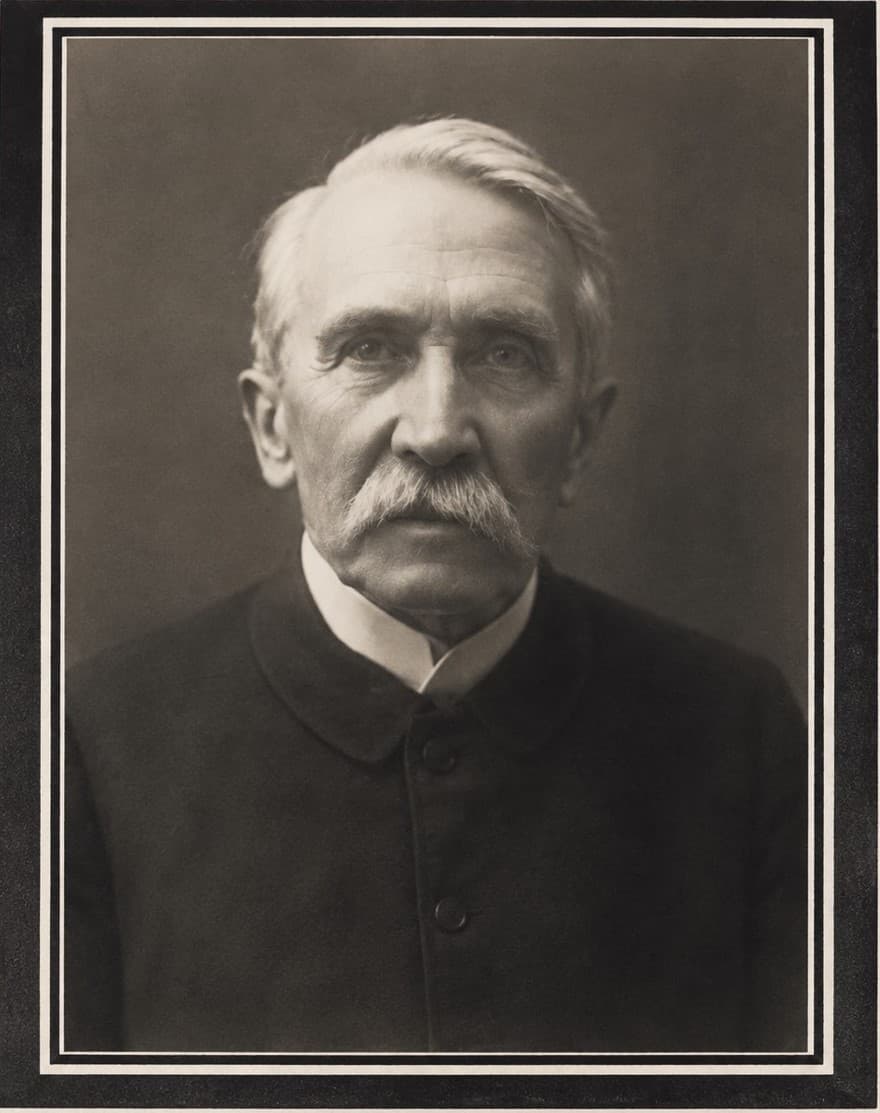
Archival portrait from the Plater family materials
The Plater family

19th century

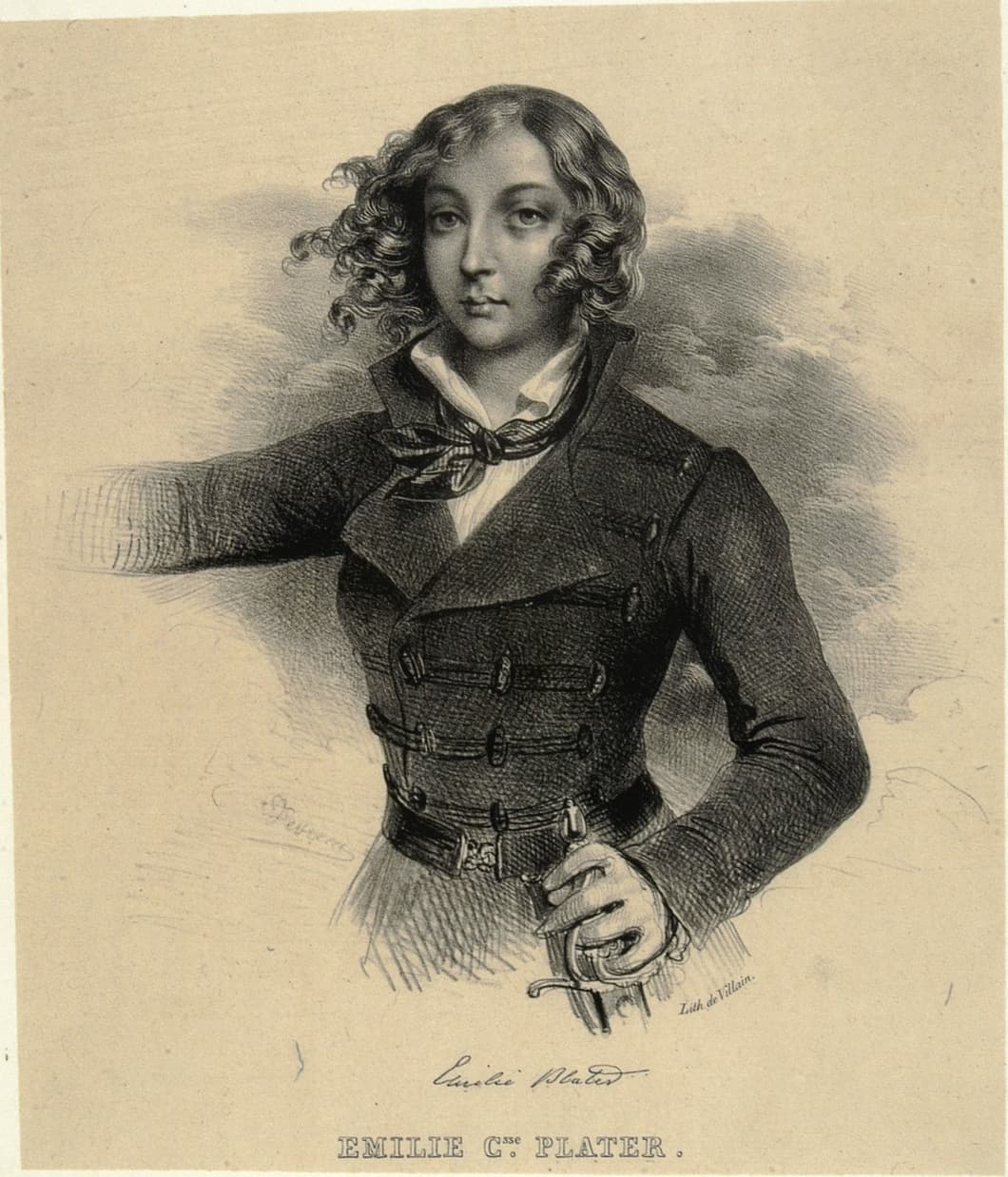
Emilia Plater

Emilia Plater

The most celebrated member of the family was Emilia Plater, whom her contemporaries called the “Belarusian Joan of Arc.”

Emilia took part in the uprising of 1830–1831. From childhood, she was interested in activities considered unusual for a girl of her time: horse riding, shooting, and fencing. She enjoyed communicating with peasants and collected Belarusian folklore in the Braslav region.

When the uprising began, Emilia formed and commanded, with the rank of captain, her own unit of several hundred insurgents. This unit operated not far from Opsa. Her life was tragically short: toward the end of the uprising, 25-year-old Emilia fell ill and died suddenly. She was buried near Warsaw, and thanks to Adam Mickiewicz’s famous poem “The Death of the Colonel,” the name and tragic fate of the courageous countess became legendary.

The name and tragic fate of the courageous countess became legendary.

20th Century

Palace and Park Ensemble

The Plater Palace
The palace, 1904

At the very beginning of the 20th century, Count Felix Broel-Plater began building a new luxurious estate on the shore of Lake Opsa.

In 1904, construction of the stone palace in the Neoclassical style, designed by architect Teleshinsky, was completed. However, fate had other plans, and the Platers themselves never had the opportunity to live in their new residence.

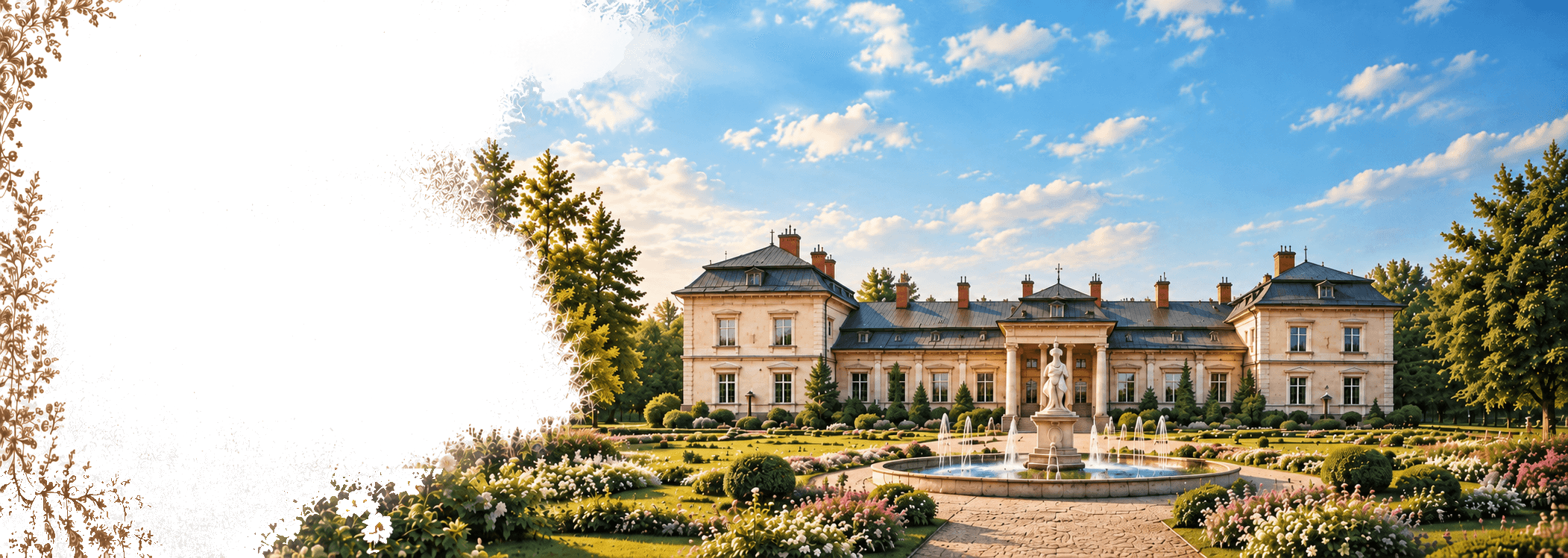
The heart of the palace was the main brick building with an elegant portico and two columns at the entrance. Originally, the roof was tiled, while glass doors on the lake side opened onto an outdoor terrace. From there, a picturesque cascade of steps descended toward the water.

A residential wing and several service buildings have also survived near the palace: stone stables, barns, and a unique ice house — an early predecessor of the modern refrigerator. It was a brick structure with a deep stone-lined cellar where ice was stored throughout the year.

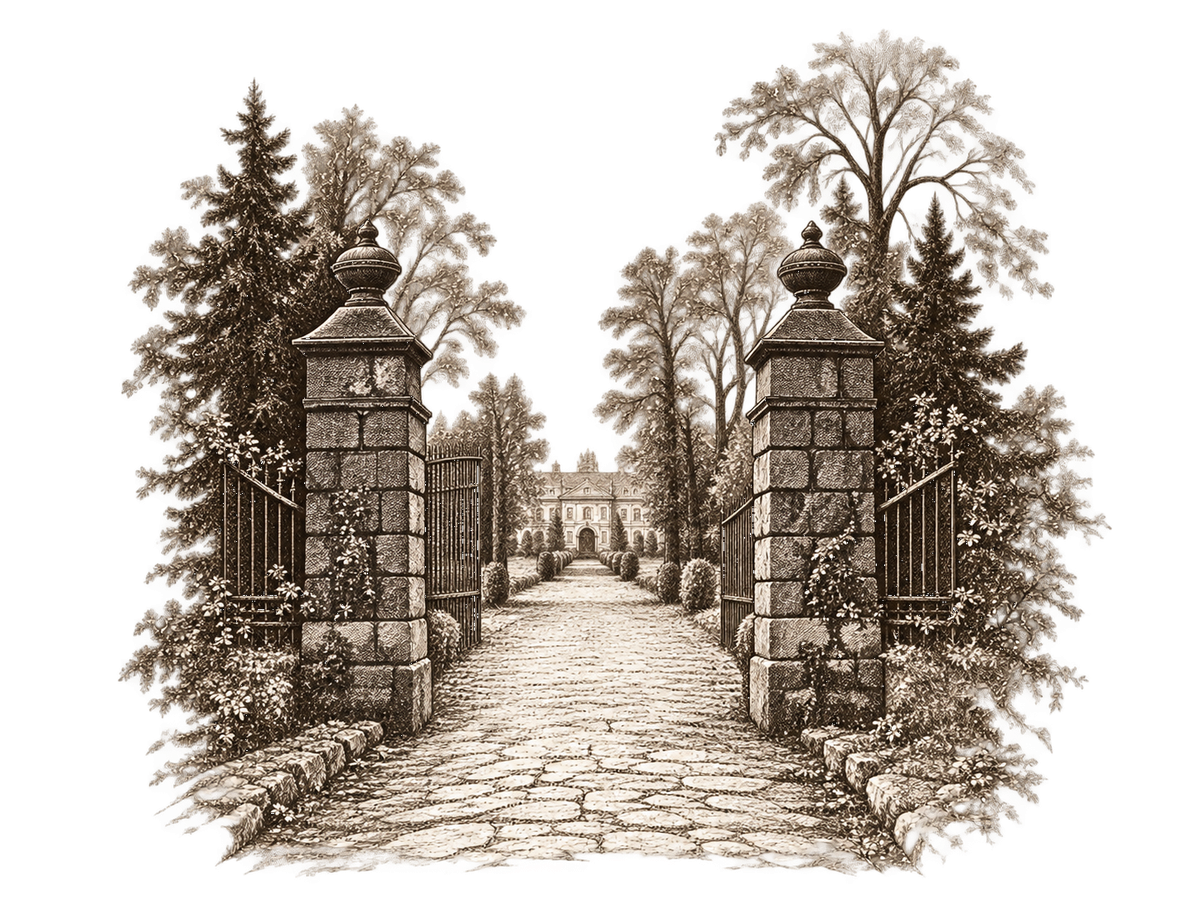
The palace fence was especially noteworthy: oak panels mounted on stone pillars were designed in the shape of waves. Beyond the entrance gates, guests were welcomed by a circular parterre bordered with white and yellow acacias, with a bright flower garden in the center where, according to local residents, a sculpture once stood.

From the First World War onward, the house was rarely empty. At first, headquarters of the Russian army were located here, and from 1915 the building served as a military hospital.

After the revolution, when Opsa became part of Poland, the authorities purchased and nationalized the estate. From 1927 to 1939, one of the country’s best agricultural schools for boys operated here, teaching young men advanced farming methods.

During the Second World War, hospitals were once again established within the palace walls — first a German hospital, then a Soviet one.

After the war, a boarding school for orphans was opened here. Following the collapse of the USSR, the estate was transferred to the Belarusian Society of Disabled Persons and used as a holiday home.

The state organization Vitebskoblrestavratsiya reinforced the walls and installed a new roof, but restoration work was then suspended for many years.

Today

Revival

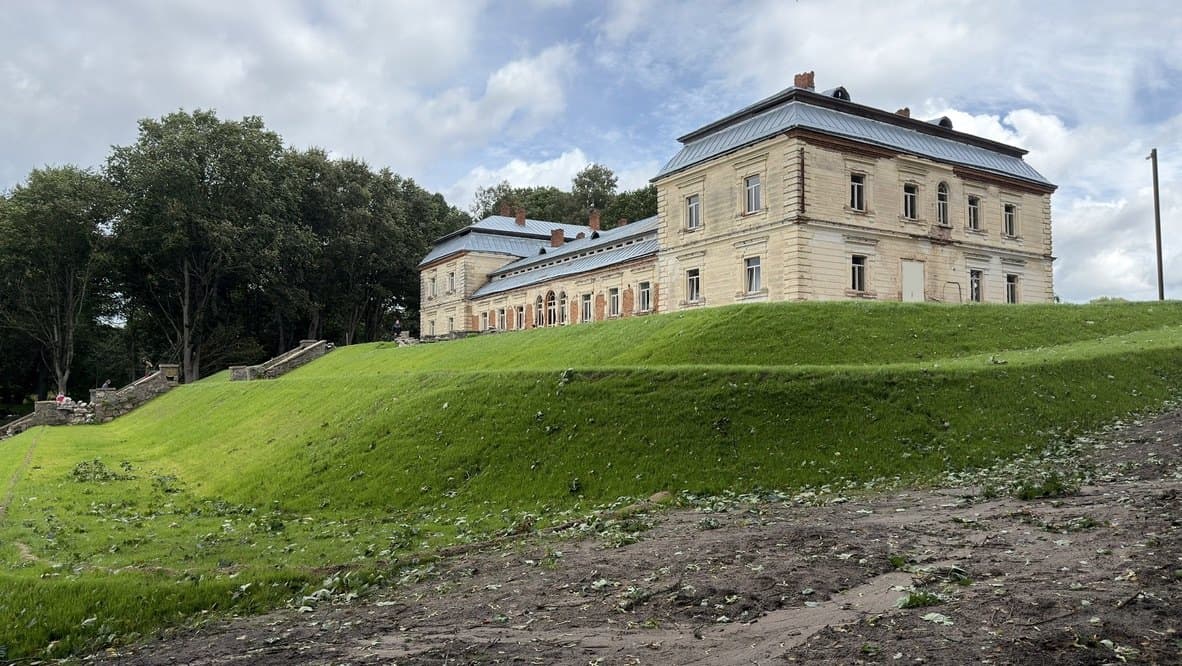
The dominant landmark of Opsa is the Plater Palace, built in 1904. Austere yet elegant, it greets visitors with its imposing stone presence, preserving the memory of many generations.

Today, the Plater Palace and Park Ensemble has been acquired by an investor, and active restoration work is underway.

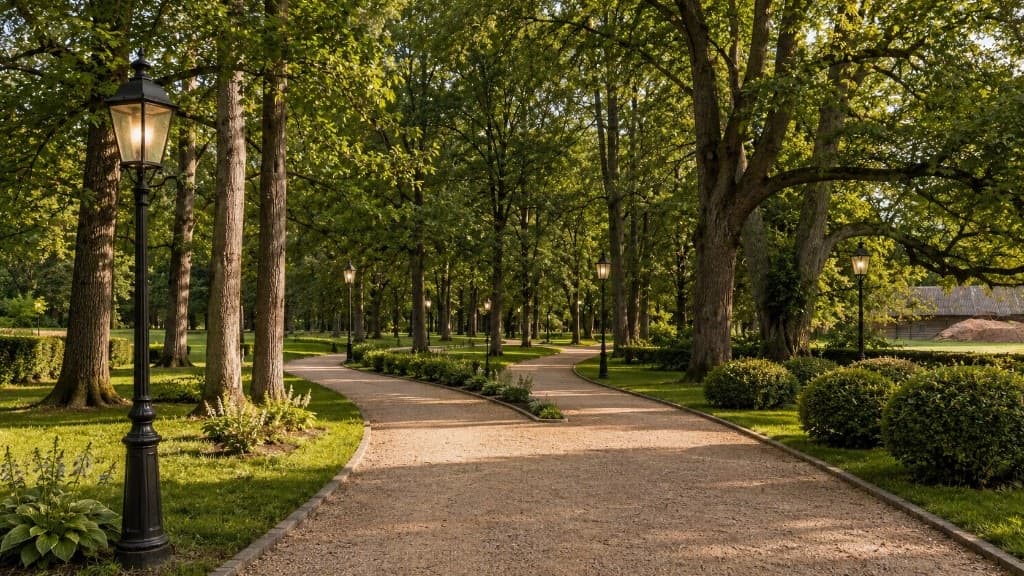
We invite you to join a guided tour of the Plater Palace and Park Ensemble. We will walk along the shady avenues of the park, where every turn reveals a new view.

We will descend to Lake Opsa along the cascading staircase dating from the early 20th century, its time-worn steps leading toward the calm surface of the water. We will visit the site where the ancient patriarch oak grows.

We will also admire the remarkable arched bridge from the same period — light and graceful, seemingly floating above the water.

This walk is more than a sightseeing tour. It is an immersion into living history, where stone, water, and trees continue to tell their story.

The palace and park ensemble on the lake shore
A tree-lined alley in the palace park